Randolph Stow
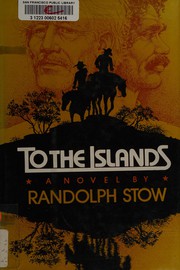
Randolph Stow stands as one of Australia’s most distinctive literary voices, a writer whose sparse, meditative prose and deep engagement with landscape and isolation have earned him enduring recognition among serious readers and critics alike. His 1958 Miles Franklin Award-winning novel To the Islands established the hallmarks of his fiction: a profound psychological depth, a fascination with the Australian outback as both physical and spiritual terrain, and a narrative restraint that invites readers into the interior lives of characters grappling with meaning and redemption.
Stow’s literary significance extends beyond a single award. Throughout his career, which encompassed novels, poetry, librettos, and translation work, he demonstrated an uncompromising commitment to exploring themes of alienation, faith, and human connection. His recognition with the prestigious Miles Franklin Award for To the Islands—a novel that follows an aging missionary’s journey through the remote Kimberley region—validated his approach to depicting the Australian landscape not as backdrop but as a force that shapes consciousness itself. The novel’s success established Stow as a writer of remarkable intellectual and emotional subtlety, qualities that would characterize his entire body of work and influence generations of Australian writers who followed.