Ray Bradbury
Ray Bradbury stands as one of science fiction’s most poetic voices, a writer who elevated the genre beyond technological speculation into the realm of profound social commentary and lyrical prose. His career spans decades of imaginative brilliance, yet his work remains surprisingly timeless—concerned less with the mechanics of future worlds than with the human consequences of living within them. Bradbury’s fiction grapples with censorship, conformity, and the fragility of human connection in increasingly mechanized societies, themes that resonate as powerfully today as they did when first published.
His distinctive style blends the wonder of speculative fiction with the emotional depth of literary fiction, creating narratives that haunt readers long after the final page. The recognitions he received from Hugo Award voters—including Best Short Story honors for “King of the Gray Spaces” (1944) and “I, Rocket” (1945)—demonstrated early appreciation for his craft among science fiction’s most devoted readers. That recognition culminated in the Hugo Award for Best Novel in 1954 for Fahrenheit 451, his masterpiece about a future American society that burns books rather than preserves them. The novel’s central metaphor about the dangers of intellectual suppression has only grown more relevant, cementing Bradbury’s place not merely as a science fiction pioneer, but as a vital voice for the preservation of literature itself.
-
Fahrenheit 451 (alt: The Fireman)
-
-
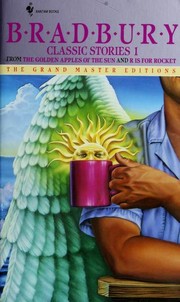
King of the Gray Spaces” (“R is for Rocket”)