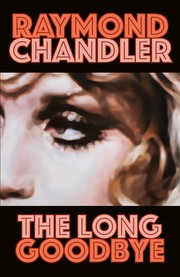
Raymond Chandler
Raymond Chandler stands as one of the architects of American hard-boiled detective fiction, a writer who elevated what might have been pulp entertainment into genuine literature. Working in an era when mystery writing was often dismissed as lowbrow, Chandler created Philip Marlowe, a private detective whose moral code and wry observations about Los Angeles society gave the genre unexpected philosophical depth. Chandler’s prose style—sharp, economical, and studded with similes that illuminate character and setting in unexpected ways—proved that crime fiction could be both wildly entertaining and stylistically sophisticated. His influence rippled through generations of writers who learned from his example that genre constraints need not limit literary ambition.
Chandler’s major recognition came relatively late in his career when The Long Goodbye, his sixth and perhaps most ambitious Marlowe novel, earned the 1955 Edgar Award for Best Novel. The book showcases what made Chandler’s mature work so compelling: a labyrinthine plot that serves as the skeleton for deeper meditations on loyalty, corruption, and the possibility of honor in a morally compromised world. By the time he won this prestigious award, Chandler had already secured his place in literary history, but the Edgar validated what devoted readers had long known—that his novels deserved to stand alongside the most serious fiction of his time. His legacy continues to inform contemporary crime writing, proving that the hard-boiled detective story, in the right hands, is a form capacious enough for genuine human complexity.