Richard Ford
Richard Ford stands as one of contemporary American literature’s most unflinching chroniclers of ordinary life, a writer whose novels strip away sentimentality to reveal the fractured interior worlds of men navigating the dissolution of their marriages, careers, and self-images. His prose style—precise, measured, and deceptively plain—belies a profound psychological acuity; Ford lets his characters’ thoughts and contradictions speak with devastating clarity, never editorializing or guiding readers toward easy moral judgments. He has built his reputation on the conviction that the lives of middle-class Americans, in all their mundane complexity, contain the full measure of human tragedy and occasional grace.
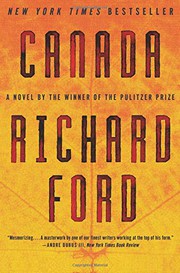
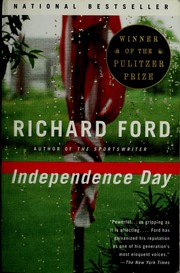
Ford’s masterpiece Independence Day became a landmark of 1990s American fiction by following Frank Bascombe, a real estate agent and divorced father, through a Fourth of July weekend saturated with nostalgia, regret, and the search for meaning in an unremarkable life. The novel’s critical and popular success was unprecedented—it won both the Pulitzer Prize for Fiction and the PEN/Faulkner Award in 1996, a dual recognition that cemented Ford’s stature in the literary establishment. Later in his career, Ford demonstrated the range and durability of his vision with Canada, which revisited his preoccupations with how ordinary people endure extraordinary ruptures. That novel’s selection for the Carnegie Medal in 2013 confirmed Ford’s continued relevance across generations of readers and critics alike.