Richard Hofstadter
Richard Hofstadter stands as one of the most influential American historians of the twentieth century, a scholar whose work fundamentally reshaped how we understand the nation’s political and intellectual currents. His distinctive approach combined rigorous historical analysis with psychological and sociological insight, allowing him to excavate the underlying anxieties and contradictions that have driven American public discourse. Hofstadter’s prose was as elegant as his thinking was penetrating, making complex historical arguments accessible to both academic audiences and educated general readers—a rare combination that helps explain his outsized cultural impact.
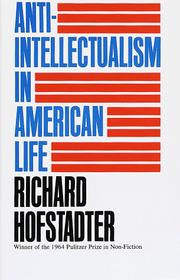
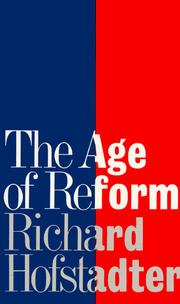
The breadth of Hofstadter’s recognition underscores his stature in the field. His 1956 Pulitzer Prize for The Age of Reform established him as the preeminent interpreter of American progressivism, challenging conventional narratives and introducing a more nuanced view of reform movements. A decade later, his 1964 Pulitzer Prize for Anti-Intellectualism in American Life cemented his status as the essential voice on the tension between American democratic ideals and deep-rooted cultural suspicion of intellectual authority. Winning the Pulitzer twice, in different categories, placed him among a select group of historians whose work transcended academic specialization to speak to fundamental questions about American identity and values.
Throughout his career, Hofstadter returned obsessively to themes of paradox and contradiction: the reformer’s limits, the intellectual’s vulnerability in a democratic society, the paranoid style that periodically grips American politics. His unflinching examination of these tensions, pursued with both empathy and critical distance, established a template for American historical writing that continues to influence scholars today.