Richard Russo
Richard Russo has built a celebrated career documenting the inner lives of working-class Americans, capturing with unflinching honesty and surprising humor the struggles and aspirations of small-town communities navigating economic decline. His narratives possess a warmth that resists sentimentality, grounding readers in the specific textures of everyday life—the weight of family obligation, the dignity of modest ambitions, the complicated bonds that hold neighbors together. Russo’s gift lies in his ability to find profound meaning in ordinary moments, allowing readers to recognize themselves in characters who might otherwise be overlooked in American literature.
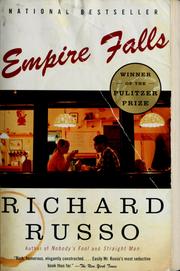
Russo’s masterwork, Empire Falls, cemented his status as one of the most important voices in contemporary American fiction when it won the Pulitzer Prize for Fiction in 2002. The novel’s multigenerational saga of a small Maine town and its interconnected families exemplifies Russo’s skill at weaving together personal disappointment and social commentary, creating narratives that feel both intimately particular and broadly universal. The Pulitzer recognition represented not just an accolade but a broader cultural acknowledgment of Russo’s influence—his insistence that working-class stories matter, that industrial decline deserves serious literary attention, and that humor and heartbreak are not opposing forces but natural companions in the American experience.