Robert A. Heinlein
Robert A. Heinlein stands as one of science fiction’s most influential architects, a writer who fundamentally shaped the genre’s intellectual ambitions and literary respectability during its formative decades. His fiction is characterized by rigorous scientific extrapolation, libertarian political philosophy, and an unwavering commitment to exploring how technological and social change transforms human experience. Whether examining the mechanics of lunar colonization or the ethical quandaries of interstellar warfare, Heinlein approached speculative scenarios with engineer’s precision and humanist curiosity, creating narratives that functioned simultaneously as thought experiments and deeply personal stories about individual agency in vast, indifferent universes.
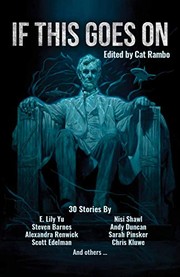
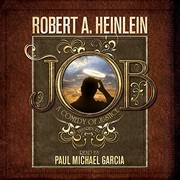
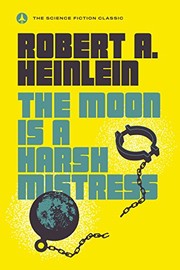
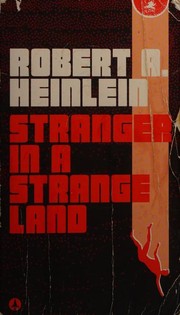
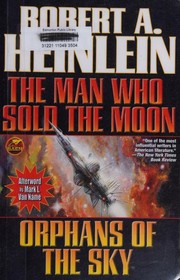
His award recognition reflects the breadth of his achievement across multiple scales and audiences. Heinlein’s early dominance of the Hugo Awards began in 1941 with dual victories for “If This Goes On…” and “The Roads Must Roll,” establishing him as a leading voice even in science fiction’s pulp era. The early 1950s saw him win three Hugos in a single year—an extraordinary feat—including recognition for both the young adult and novel categories with Farmer in the Sky, followed by recognition for The Man Who Sold the Moon. His later masterworks sustained this momentum: Double Star (1956), Starship Troopers (1960), the counterculture phenomenon Stranger in a Strange Land (1962), and the technically audacious The Moon is a Harsh Mistress (1967) each claimed the Hugo for Best Novel. Even decades into his career, Heinlein’s imaginative reach extended into other territories—his 1985 Locus Award for Job: A Comedy of Justice demonstrated that his satirical vision remained sharp and his willingness to experiment with form undiminished.
-
-
-
-
Starship Troopers (alt: Starship Soldier)
-
-