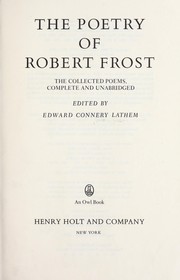
Robert Frost
Robert Frost stands as one of America’s most celebrated poets, a writer whose deceptively accessible verses conceal profound meditations on nature, human nature, and the complexities of modern life. Born in San Francisco but forever associated with New England, Frost crafted a distinctive voice that bridges formal poetic tradition and the vernacular speech of everyday Americans. His work combines vivid natural imagery with philosophical inquiry, making his poems resonate across both literary circles and popular culture—a rare achievement that speaks to the universal power of his vision.
Frost’s sustained recognition by the Pulitzer Prize committee remains extraordinary. He won the award for poetry four times across three decades, beginning with New Hampshire: A Poem with Notes and Grace Notes in 1924, continuing with Collected Poems in 1931, A Further Range in 1937, and A Witness Tree in 1943. This remarkable streak of recognition underscores how his work deepened and evolved while maintaining the distinctive qualities that first made him celebrated—his ability to find meaning in rural landscapes, his mastery of form, and his gift for infusing simple scenes with psychological and moral complexity. Few poets in American literary history have demonstrated such consistent excellence across multiple collections and generations of readers.