Robert Silverberg
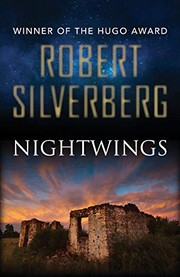
Robert Silverberg stands as one of science fiction’s most versatile and prolific voices, a writer whose career has spanned decades of innovation across nearly every subgenre the field has to offer. His ability to blend philosophical depth with narrative propulsion has earned him recognition at the highest levels of the awards circuit, including multiple Hugo and Nebula Awards that span from the late 1960s through the 1990s. His novella “Nightwings,” which won the 1969 Hugo Award, showcases the kind of imaginative worldbuilding and emotional resonance that would define his finest work, while stories like “Passengers” and “Good News from the Vatican” demonstrated his gift for exploring the intimate human dimensions of speculative premises.
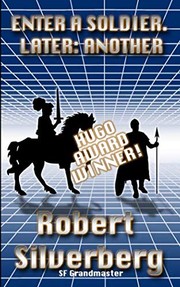
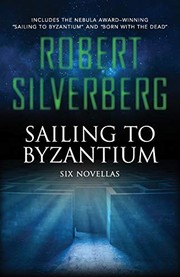
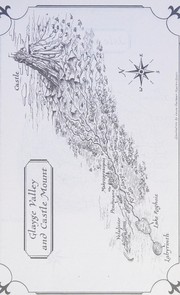
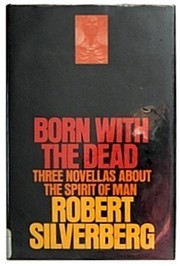
What makes Silverberg’s cross-award recognition particularly notable is the consistency of his excellence across different story lengths and vastly different thematic territories. The Nebula Award he won for “A Time of Changes” in 1971 marked a high point in his novel-length work, while later triumphs like “Born with the Dead” (winning both Nebula and Locus Awards in successive years) and the Nebula-winning “Sailing to Byzantium” showed his continued mastery well into his mature period. His 1981 Locus Award for the ambitious novel “Lord Valentine’s Castle” and his later Hugo nominations, including “Gilgamesh in the Outback” and “Enter a Soldier. Later: Enter Another,” confirm his status as a writer whose influence and inventiveness remained vital across generations of science fiction readers and peers alike.