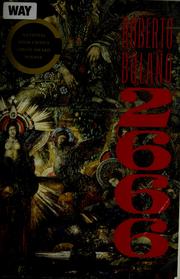
Roberto BolañowithNatasha Wimmer(trans.)
Roberto Bolaño stands as one of the most commanding literary voices of the twenty-first century, a Chilean-born writer whose sprawling, deliberately fractured narratives have fundamentally altered what contemporary fiction can attempt. Before his death in 2003, Bolaño produced a body of work marked by inventive storytelling, philosophical ambition, and a refusal to bow to conventional narrative structures. His prose—whether exploring the underbelly of Mexican border towns or constructing elaborate literary mysteries—pulses with dark humor and intellectual restlessness, drawing readers into worlds that feel simultaneously familiar and utterly unmoored from reality.
Bolaño’s masterwork 2666, translated into English by Natasha Wimmer, crowned his legacy when it claimed the 2008 National Book Critics Circle Award for Fiction. The novel’s recognition across the Atlantic validated what readers and critics had long sensed: that this monumental five-part work, which shifts between interweaving narratives and seemingly digressive passages, represents a major achievement in world literature. Wimmer’s translation proved crucial to Bolaño’s English-language ascendancy, capturing the author’s baroque complexity while maintaining the propulsive readability that makes his work so compulsively engaging. 2666 is a novel about obsession, violence, and the search for meaning in a disordered world—themes that define Bolaño’s entire oeuvre—and its award recognition secured his position as an essential figure for anyone serious about contemporary literature.