Roger Zelazny
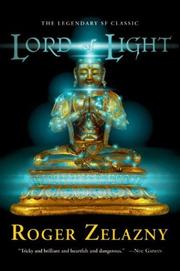
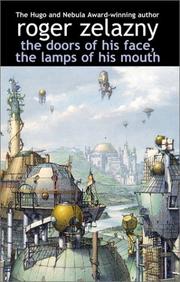
Roger Zelazny stands as one of science fiction and fantasy’s most imaginative architects, a writer whose genre-crossing ambitions and lyrical prose style set him apart from his contemporaries. His career was marked by sustained recognition across the field’s most prestigious awards—a feat that speaks to the breadth of his vision. The Doors of His Face, the Lamps of His Mouth earned him a Nebula Award for Best Novelette in 1965, but it was his sweeping novel Lord of Light, which captured the Hugo Award in 1968, that established him as a major force in speculative fiction. That novel’s audacious reimagining of Hindu mythology through a science fiction lens became a signature example of Zelazny’s willingness to blend literary ambition with genre conventions.
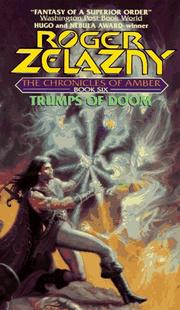
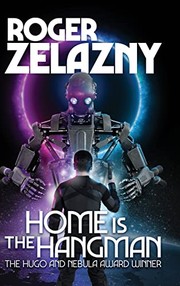
Throughout the 1970s and beyond, Zelazny proved equally adept at shorter forms, winning both the Nebula and Hugo Awards for the novella “Home Is the Hangman” in consecutive years (1975 and 1976), a double honor that underscored the story’s resonance with readers and critics alike. He returned to the Hugo stage in 1982 with the novelette “Unicorn Variation” and again in 1987 with “Permafrost,” while his novel Trumps of Doom won the Locus Award for Best Fantasy Novel in 1986. What unified this diverse body of awarded work was Zelazny’s distinctive voice—ornate yet propulsive, often suffused with mythology and philosophical depth—and his recurring fascination with consciousness, transformation, and the collision between human will and cosmic forces. His multi-award recognition remains rare in the genre, a testament to his ability to capture imaginations across different story lengths and styles.