Salman Rushdie
Salman Rushdie stands as one of contemporary literature’s most fearless voices, a writer whose sprawling, inventive novels transform historical upheaval into baroque storytelling of dazzling complexity. His breakthrough novel Midnight’s Children won the Booker Prize in 1981, establishing him as a major literary force with its magical-realist account of India’s independence told through the eyes of children born at the moment of partition. The novel’s success seemed to herald a brilliant career, but Rushdie’s subsequent work would prove even more ambitious—and more provocative.
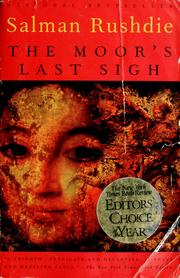
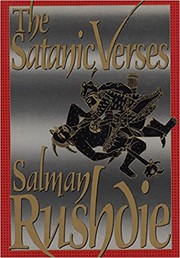
The 1988 publication of The Satanic Verses catapulted Rushdie into worldwide controversy, yet the novel’s audacious formal inventiveness and its willingness to interrogate religious identity, migration, and cultural hybridity earned it the Costa Book Award for Novel. That same fearless sensibility animates The Moor’s Last Sigh, his 1995 Costa Award-winning novel, which layers together centuries of Indian history, art, and loss in prose that mirrors the exuberant chaos of its subject matter. Across his award-winning work, Rushdie’s signature style—hallucinatory, digressive, linguistically playful—transforms the personal and political into narratives that refuse easy answers, making him one of the few writers whose cross-award recognition reflects not just literary achievement but genuine cultural significance.