Samuel R. Delany
Samuel R. Delany stands as one of the most intellectually ambitious and formally innovative voices in science fiction, a writer who has consistently pushed the genre toward greater literary sophistication and philosophical depth. His distinctive style weaves dense theoretical inquiry with lyrical prose, creating narratives that explore identity, language, sexuality, and the nature of human connection across sprawling futuristic landscapes. Delany’s work refuses easy categorization: his stories operate simultaneously as intimate character studies and sweeping explorations of civilization, technology, and desire, demanding readers engage with ideas as complex as the worlds he constructs.
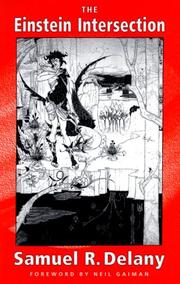
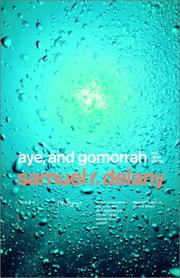
The recognition Delany received in the late 1960s and early 1970s cemented his status as a major force in speculative fiction. His novel The Einstein Intersection claimed the 1967 Nebula Award for Best Novel, while that same year he won the Nebula for Best Short Story with “Aye, and Gomorrah…,” a haunting tale that interrogates gender, sexuality, and connection among space-faring workers. His mastery of shorter forms continued to resonate with awards voters: “Time Considered as a Helix of Semi-Precious Stones” earned both the 1969 Nebula Award for Best Novelette and the 1970 Hugo Award for Best Short Story, an unusual cross-award recognition that underscores how powerfully the piece resonated across the science fiction community.
What makes Delany’s multi-award trajectory particularly significant is how it reflects the genre’s growing recognition that science fiction could be as intellectually rigorous and aesthetically accomplished as literary fiction itself. His work established a template for speculative storytelling that honors both imaginative world-building and profound human inquiry.