Saul Bellow
Saul Bellow stands as one of the defining voices of American literature, a writer who reshaped the novel itself through his exuberant prose style and deeply introspective exploration of modern consciousness. His fiction captures the interior lives of intellectuals and ordinary men grappling with meaning, identity, and connection in an increasingly complex world. Bellow’s narrators are famously voluble, their minds crackling with wit, cultural reference, and philosophical questioning—a distinctive approach that made him both celebrated and imitated throughout his career.
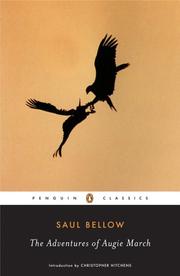
The breadth of Bellow’s recognition speaks to the enduring power of his work. His 1953 novel The Adventures of Augie March won the National Book Award, announcing to American letters a major new talent with its picaresque energy and unforgettable protagonist. More than two decades later, his equally acclaimed Humboldt’s Gift earned the Pulitzer Prize for Fiction in 1976, cementing his status as a master of the form. That a writer could achieve such major honors across multiple decades with works so different in scope and approach testifies to Bellow’s remarkable artistic range and his refusal to repeat himself.
Throughout his prolific career, Bellow explored what it means to be human in the twentieth century—the loneliness of urban life, the burden of intellectual ambition, the search for authentic experience amid social pretense and historical upheaval. His influence on subsequent generations of American writers cannot be overstated; he proved that the novel could be simultaneously intellectual and accessible, formally inventive and deeply human.