Seamus Heaney
Seamus Heaney stands as one of the most significant poets of the late twentieth century, a writer whose work deepened the possibilities of English-language verse while remaining rooted in the particulars of Irish landscape and history. His distinctive style—combining linguistic precision with a sensuous attention to the physical world—creates poems that move fluidly between the intimate and the monumental, the archaeological and the immediate. Heaney’s recurring preoccupations with language itself, with memory, and with the poet’s responsibility to bear witness give his work an uncommon moral weight, even when he writes about bog-preserved bodies or the simple act of digging.
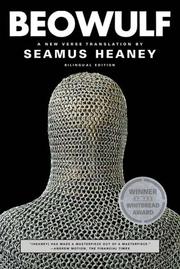
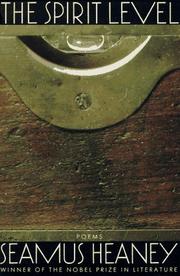
His dominance in the award circuit speaks to the breadth of his achievement across different forms of poetic expression. Heaney claimed three Costa Book Awards for Poetry across different decades: The Haw Lantern in 1987, a collection marked by its spare meditations and political subtlety; The Spirit Level in 1996, where his attention to classical sources deepens; and his groundbreaking translation of Beowulf in 1999, a work that proved translation could be simultaneously scholarly and wildly imaginative. This pattern of recognition—winning major awards not once but repeatedly, for both original compositions and translation—underscores how Heaney’s influence extended across the full spectrum of literary practice, demonstrating that a poet could be intellectually rigorous, formally innovative, and genuinely beloved by readers at the same time.