Stanley Elkin
Stanley Elkin stands as one of American literature’s most inventive and intellectually restless writers, a virtuoso of voice whose novels collapse the distance between high modernism and vernacular speech. His fiction is characterized by an almost manic energy, populated by memorable eccentrics who talk their way through existence with baroque eloquence and wounded wit. Elkin’s prose style—digressive, rhythmically complex, studded with riffs and tangents—creates a reading experience that feels simultaneously cerebral and deeply alive, as though his characters are thinking out loud in real time.
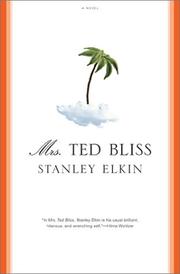
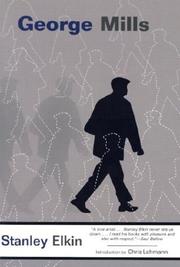
Elkin’s sustained achievement across decades earned him recognition from the National Book Critics Circle twice, a distinction that speaks to the consistency of his vision. His 1982 win for George Mills, a sprawling multigenerational saga that tracks a family through history via a curse and a blessing, demonstrated his ability to harness his abundant stylistic gifts toward something architecturally ambitious. Over a decade later, Mrs. Ted Bliss, which appeared in 1995, showed that Elkin’s powers remained undiminished; the novel follows a widow navigating retirement in Miami with the same combination of pathos and comedy that had always defined his work. What these separated victories reveal is not merely technical mastery but a fundamental consistency in Elkin’s commitment to exploring how ordinary people endure through language, memory, and the sheer force of personality.