Stanley Kunitz
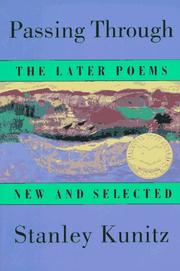
Stanley Kunitz stands as one of American literature’s great architects of the self, a poet whose work spans seven decades while remaining luminously consistent in its psychological depth and formal grace. His Selected Poems 1928-1958, which earned him the Pulitzer Prize for Poetry in 1959, established him as a major voice—a recognition that might have seemed overdue to those who’d been following his rigorous explorations of memory, loss, and spiritual transformation since the 1920s. What makes Kunitz’s career trajectory particularly striking is that his significance only deepened with age; his 1995 National Book Award for Passing Through: The Later Poems proved that this poet’s most penetrating work arrived in the final chapters of his life, when most voices might reasonably have quieted.
Kunitz’s distinctive achievement lies in his fusion of intellectual rigor with profound emotional honesty. He writes as though excavating layer upon layer of consciousness, using the poem as both spade and mirror to unearth hidden truths about desire, mortality, and the ineffable hunger for meaning that defines human existence. His recurring obsessions—the mysteries of identity, the weight of the past pressing against the present, the redemptive possibilities of love and art—never feel repetitive because he approaches them each time with renewed intensity. The fact that two separate phases of his career garnered major recognition speaks to a poet who refused to calcify, who remained vital and visionary whether writing in middle age or in his eighties, continually transforming his hard-won wisdom into language of stunning clarity and power.