Stephen Greenblatt
Stephen Greenblatt stands as one of the most influential literary scholars of our time, a figure who fundamentally reshaped how we read Shakespeare and understand the Renaissance. His career represents a bridge between academic rigor and accessible storytelling, bringing the intellectual energy of literary criticism to general readers hungry for narrative-driven history. Greenblatt’s distinctive approach—often called “New Historicism”—insists that literature cannot be separated from its cultural, political, and social contexts, treating texts as windows into the lived experiences and anxieties of their era.
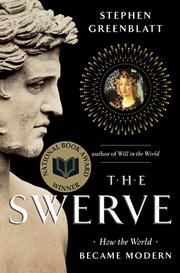
His masterwork, The Swerve: How the World Became Modern, exemplifies everything that makes Greenblatt’s scholarship so captivating. The book traces how a fifteenth-century Italian humanist’s rediscovery of the Roman poet Lucretius’s ancient manuscript helped catalyze the intellectual transformations leading to modernity—a story that feels like a thriller disguised as history. The work’s cultural significance was recognized with the 2012 Pulitzer Prize for General Nonfiction, a validation of Greenblatt’s rare ability to write with both scholarly depth and genuine popular appeal.
What makes Greenblatt’s achievement particularly striking is his sustained focus on how ideas move through the world, how texts survive and resurface, and how human curiosity repeatedly ignites transformative change. Whether examining Shakespeare’s sources, the mechanics of power in Renaissance courts, or the life-altering potential of a rediscovered book, Greenblatt writes as though these questions matter urgently to us now—because, in his view, they do.