Suzan-Lori Parks
Suzan-Lori Parks stands as one of the most inventive and formally daring playwrights working in American theater today. Her explosive theatrical language—characterized by repetition, linguistic play, and a rhythmic intensity that recalls jazz—has fundamentally challenged what contemporary drama can be. Parks refuses the conventions of linear narrative, instead constructing scenes that circle back on themselves, layer meaning through incantation, and treat dialogue as a musical instrument. Her work unfolds as a kind of theatrical archaeology, excavating American history and identity through plays that are at once intellectually rigorous and viscerally alive.
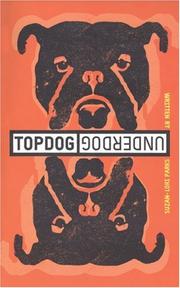
With her Pulitzer Prize-winning play Topdog/Underdog in 2002, Parks achieved the kind of recognition that validated what audiences and critics had increasingly sensed: that her distinctive theatrical vision wasn’t an experimental outlier but a vital contribution to American letters. The play, which depicts the fraught relationship between two Black brothers in a single shabby room, became a masterwork of compressed tension and verbal sparring, proving that her experimental techniques could generate the kind of human drama that moves and unsettles audiences. Parks’s ability to win the Pulitzer while remaining utterly uncompromising in her formal innovations marks her as a singular figure—a writer who has not only changed how drama sounds and operates but has done so while staying rooted in urgent questions about race, history, and American identity.