Sylvia Plath
Sylvia Plath remains one of the most electrifying and unsettling voices in American literature, a poet whose work excavates the darkest corners of the psyche with unflinching precision. Her singular talent for transforming personal anguish into universally resonant art established her as a defining figure of postwar modernism, even as her life was tragically cut short at thirty. Plath’s voice is instantly recognizable—raw, incandescent, and deeply metaphorical—whether she’s anatomizing depression, exploring female rage, or confronting mortality with a kind of gleeful horror that feels almost grotesque.
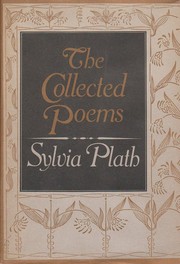
The 1982 Pulitzer Prize for Poetry, awarded posthumously for The Collected Poems, stands as a watershed moment in Plath’s critical legacy, cementing her status as a major American poet rather than a biographical footnote. This recognition honored not just isolated masterpieces like “Lady Lazarus” and “Daddy,” but the full arc of her work—from her earlier, more formally controlled verse to the searing confessional intensity of her final months. The Pulitzer validated what devoted readers already knew: that Plath’s unflinching exploration of depression, identity, and female suffering had fundamentally altered the possibilities of what poetry could express and how it could do so.
What makes Plath’s achievement enduring is her refusal of comfort, both in form and content. Her recurring themes—the search for authentic selfhood, the claustrophobia of prescribed feminine roles, the proximity of creation to annihilation—emerge from a voice that never settles for the merely beautiful or safely melancholic. Instead, she creates a kind of dangerous beauty, one that draws readers into complicity with her darkest observations.