Ted Chiang
Ted Chiang stands among the most celebrated contemporary voices in speculative fiction, distinguished by a rare combination of philosophical rigor and emotional depth. His meticulously crafted stories explore the intersection of language, consciousness, and the fundamental nature of reality—themes he examines with the precision of a mathematician and the grace of a poet. Though he publishes sparingly, each work becomes a cultural touchstone, prompting readers and critics alike to grapple with profound questions about time, meaning, and human existence. His influence extends far beyond the genre, most notably through Denis Villeneuve’s 2016 film adaptation of Story of Your Life, which introduced his work to mainstream audiences and demonstrated the cinematic potential of his ideas.
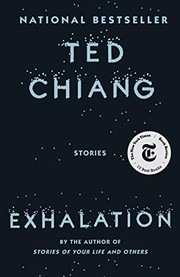
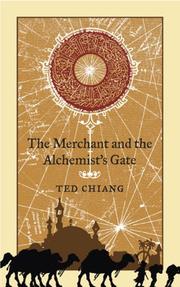
Chiang’s dominance across science fiction’s most prestigious awards speaks to a remarkable consistency of excellence. His novella Story of Your Life earned the Nebula in 1999, while Hell Is the Absence of God achieved the remarkable feat of winning both the Hugo and Nebula Awards for Best Novelette in 2002. The same cross-award recognition followed with The Merchant and the Alchemist’s Gate, which won both the Hugo and Nebula in consecutive years. More recently, Exhalation secured the Hugo Award for Best Short Story in 2009. This pattern of multiple accolades underscores what makes Chiang exceptional: his stories resonate with genre specialists and general readers alike, resonating across different evaluative frameworks and voting bodies.
What distinguishes Chiang’s work is his willingness to sacrifice prolific output for conceptual innovation. Each story represents a singular intellectual premise pursued to its logical and emotional conclusion, often with surprising formal ingenuity. His narratives refuse easy answers, instead inviting readers into worlds where scientific discovery intersects with questions of free will, grief, faith, and what it means to be human. This uncompromising approach to storytelling has made him one of the field’s most influential voices, one whose sparse bibliography carries disproportionate weight in shaping how contemporary science fiction grapples with its most essential questions.