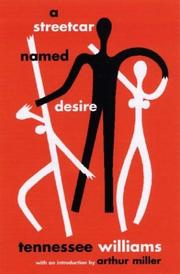
Tennessee Williams
Tennessee Williams stands as one of America’s most essential playwrights, a writer who dragged the American theater into the modern psychological age with unflinching honesty and lyrical intensity. His plays burrow deep into the lives of damaged, yearning characters—often Southern eccentrics and outsiders—capturing the gap between desire and reality with devastating clarity. Williams had an almost musical ear for dialogue, crafting speeches that feel both naturalistic and poetic, transforming ordinary conversations into moments of revelation. His recurring preoccupations with sexuality, loneliness, class anxiety, and the corrosive effects of time established templates that continue to influence contemporary drama.
The Pulitzer Prize committee recognized Williams’s genius twice in rapid succession, honoring A Streetcar Named Desire in 1948 and Cat on a Hot Tin Roof in 1955—a remarkable back-to-back recognition that underscored his cultural dominance in the postwar era. Both plays exemplify his gift for creating pressure-cooker domestic scenarios where civility collapses under the weight of suppressed passions and family dysfunction. That Williams achieved this dual recognition speaks to the consistency of his artistic vision and his ability to move audiences and critics alike. His work remains perpetually revived on stages worldwide, proving that the emotional truths he excavated—about desire, desperation, and the human need for connection—speak as urgently today as they did seventy-five years ago.