Thornton Wilder
Thornton Wilder stands as one of the most versatile American writers of the twentieth century, a rare talent equally celebrated for fiction and drama. His 1928 Pulitzer Prize for The Bridge of San Luis Rey announced his arrival as a major literary voice, establishing his gift for weaving philosophical depth into narratives of ordinary human lives. The novel’s elegant exploration of fate and connection—told through the intertwining stories of five people who perish in a bridge collapse in Peru—showcased Wilder’s ability to find transcendence in the everyday, a quality that would define his entire body of work.
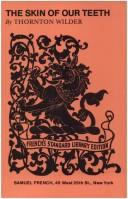
Yet it was in the theater where Wilder achieved his most transformative innovations. Our Town, which won the Pulitzer Prize for Drama in 1938, revolutionized American playwriting with its bare-stage staging and meta-theatrical devices, inviting audiences into the intimate lives of a small New Hampshire village through the Stage Manager’s knowing commentary. Three years later, The Skin of Our Teeth pushed experimental form even further, earning him a third Pulitzer in 1943 with its absurdist structure and playful collapsing of historical time. That Wilder won the Pulitzer three times across both fiction and drama underscores his genius for reinvention—his willingness to dismantle theatrical and narrative conventions in service of deeper truths about human existence, loneliness, and connection.