Toni Morrison
Toni Morrison stands as one of the most transformative literary voices of the twentieth century, fundamentally reshaping American fiction through her lyrical yet unflinching exploration of Black experience, memory, and identity. Her novels are architectural marvels of language—dense with symbolism, fragmented chronologies, and a poetic musicality that draws from African American oral traditions. Morrison’s work refuses easy answers, instead plunging readers into the psychological and spiritual landscapes of her characters, examining how history seeps into the present and how communities reckon with trauma and resilience.
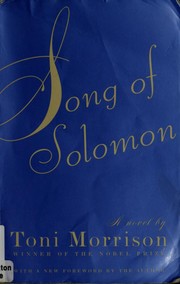
Her revolutionary novel Song of Solomon, which won the National Book Critics Circle Award for Fiction in 1977, announced Morrison’s arrival as a major literary force, weaving together mythology, genealogy, and magical realism into an epic quest narrative. But it was Beloved that cemented her canonical status and cultural dominance, winning the Pulitzer Prize for Fiction in 1988. This haunting masterpiece, narrated by a ghost and centered on an enslaved woman’s impossible choice, redefined what American literature could do—it demanded that readers confront the nation’s original sin while creating a work of devastating beauty. The recognition of both novels across major award platforms reflected a broader literary establishment finally acknowledging what Black readers had long known: that Morrison wasn’t simply an important voice, but the essential voice for understanding American identity itself.