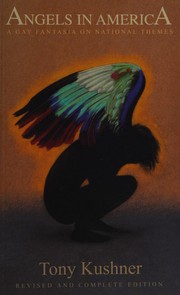
Tony Kushner
Tony Kushner stands as one of the most significant American playwrights of the late twentieth century, a writer whose work has consistently merged the deeply personal with the urgent political. His monumental play Angels in America: Millennium Approaches won the 1993 Pulitzer Prize for Drama, cementing his place in the theatrical canon while the work was still unfolding on stages across the country. The play’s acclaim was hardly surprising—Kushner had crafted something rare: a sweeping, intellectually rigorous drama that was also profoundly moving, blending magical realism with searing social commentary to explore the AIDS crisis, American identity, and the possibility of redemption in the face of overwhelming loss.
What distinguishes Kushner’s voice is his refusal to compartmentalize. He writes with the ambition of a classical dramatist while engaging urgently with contemporary political and social crises. His characters grapple with theology, history, and personal demons with equal fervor, and his language—baroque, digressive, occasionally operatic—demands that audiences sit with discomfort and complexity. Beyond Angels in America, his body of work spans adaptations, screenplays, and essays that reveal a writer committed to using theatrical storytelling as an instrument for moral clarity and social change, even when that change remains frustratingly elusive.