Tricia Sullivan
Tricia Sullivan occupies a distinctive space in contemporary science fiction, crafting narratives that blur the boundaries between psychological depth and speculative world-building. Her fiction often explores the fractured nature of consciousness, identity, and human resilience in the face of technological and existential upheaval. Sullivan’s prose style—propulsive yet intricate—draws readers into disorienting landscapes where reality itself becomes unstable, forcing both characters and audiences to question what’s real and what’s constructed.
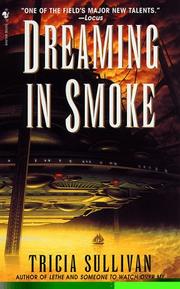
Sullivan’s 1999 Arthur C. Clarke Award for Dreaming in Smoke marked a significant moment in recognizing her unique voice within science fiction. The novel’s exploration of memory, embodiment, and the intersection of the personal and political showcased the sophisticated thematic reach that would come to define her work. Her award-winning debut demonstrated that genre fiction could achieve literary complexity while maintaining the speculative wonder and imaginative scope that make science fiction distinctive.
What distinguishes Sullivan’s career is her willingness to challenge genre conventions while remaining deeply committed to science fiction’s core promise: using speculative premises to examine what it means to be human. Whether examining consciousness in virtual spaces, the politics of survival, or the unreliability of perception itself, her work consistently asks difficult questions about agency, authenticity, and the stories we tell ourselves about who we are.