Ursula K. Le Guin
Ursula K. Le Guin stands as one of the most consequential voices in science fiction and fantasy, a writer whose work transcends genre categories to achieve genuine literary significance. Her fiction is characterized by philosophical depth and anthropological rigor, exploring how language, gender, and society shape human consciousness. Rather than treating speculative worlds as mere backdrops for adventure, Le Guin uses them as laboratories for examining fundamental questions about power, freedom, and what it means to be human. Her prose style is deceptively spare and luminous, capable of profound emotional resonance delivered with elegant understatement.
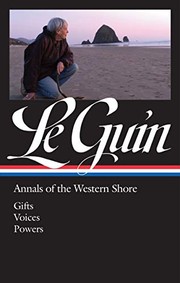
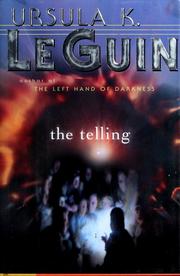
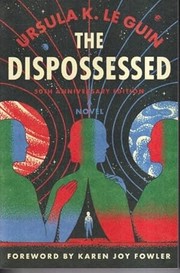
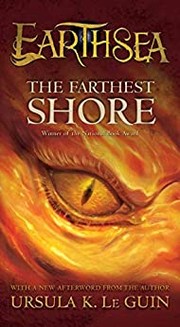
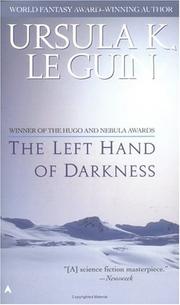
The sweep of Le Guin’s award recognition across five decades testifies to the enduring power of her vision. Her breakthrough came with consecutive wins for The Left Hand of Darkness at both the Nebula and Hugo Awards in 1969-1970, a novel that remains revolutionary in its exploration of gender through the lens of an alien society. She followed this with the equally acclaimed The Dispossessed, which captured both the Nebula and Hugo for Best Novel in 1974-1975, cementing her status as a major literary force. Beyond these landmark novels, Le Guin has been honored across multiple forms and throughout her career—from the National Book Award for The Farthest Shore to her later work including Powers, Tehanu, and The Telling, which garnered recognition from the Locus Awards and World Fantasy Awards.
What distinguishes Le Guin’s cross-award recognition is not merely the frequency of her wins but their consistency across different voting bodies and the remarkable span of her career. From her essential Hainish Cycle novels to her retellings of classical mythology and her standalone works, she demonstrated an ability to reinvent herself while maintaining a singular vision. Her influence extends far beyond science fiction and fantasy, shaping how multiple generations of writers approach questions of imagination, ethics, and the human condition itself.
-
-
-
-
-
-
-
-
-
-
The Day Before The Revolution
-

-
-
-