Virgil Thomson
Virgil Thomson stands as one of the twentieth century’s most versatile and influential cultural figures, a composer, critic, and prose stylist whose reach extended far beyond any single medium. His ability to move fluidly between creating music and analyzing it with surgical precision made him a rare breed—an artist equally at home in the concert hall and the newspaper column. Thomson’s writing possessed an immediacy and clarity that cut through critical pretension, reflecting his conviction that art should speak clearly to its audience rather than hide behind obscurity or jargon. This directness, combined with his genuine curiosity about the cultural landscape around him, earned him a devoted readership and made him one of the most quotable voices in American cultural criticism.
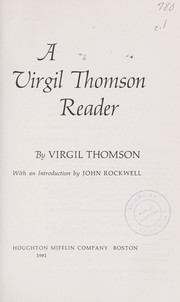
The breadth of Thomson’s intellectual interests found its fullest expression in A Virgil Thomson Reader, which gathered his most significant essays and critical writings. The collection’s recognition with the 1981 National Book Critics Circle Award for Criticism validated what his peers had long known: Thomson’s influence as a thinker extended well beyond his compositional innovations. His essays moved seamlessly from technical musical analysis to social observation, from biographical sketches to philosophical meditation, all written in prose that was simultaneously erudite and conversational. That a book centered on critical writing could earn such prestigious recognition spoke to Thomson’s singular achievement in elevating arts criticism to an art form in itself, proving that thoughtful engagement with culture could be both intellectually rigorous and genuinely pleasurable to read.