Virginia Hamilton
Virginia Hamilton stands as one of the most vital voices in American children’s and young adult literature, a writer whose unflinching exploration of African American experience and identity fundamentally expanded what literature for young readers could be. Her work combines lyrical prose with deep historical consciousness, weaving together folklore, family saga, and social realism in ways that refuse easy categorization. Hamilton’s distinctive style—rich with magical elements, complex moral landscapes, and protagonists who must navigate worlds both intimate and systemic—has earned her recognition as a literary innovator who elevated the entire field of youth literature.
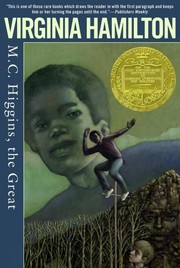
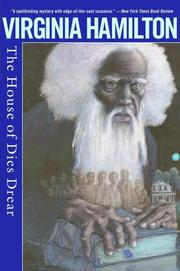
Her dual recognition for M. C. Higgins, the Great underscores the rare distinction of her achievement: winning both the 1975 National Book Award and the Newbery Medal for the same novel demonstrated unprecedented cross-award recognition of her talent. The novel’s portrait of a young Black boy confronting environmental destruction and personal ambition resonated across the literary establishment. Earlier, her debut novel The House of Dies Drear captured the 1969 Edgar Award for Best Juvenile, establishing Hamilton as a major talent capable of crafting mysteries that operated on multiple levels—as suspenseful narratives for young readers while also engaging profound questions about history, inheritance, and racial identity.
Throughout her career, Hamilton’s commitment to centering African American voices and experiences in literature for young people has been transformative, influencing generations of writers and readers alike. Her awards reflect not merely commercial success but critical validation that stories rooted in Black life and consciousness belong at the highest echelons of literary achievement.