Virginia Sorensen
Virginia Sorensen stands as a distinctive voice in twentieth-century American children’s literature, known for her ability to capture the quiet magic of rural family life with both warmth and authenticity. Her writing distinguishes itself through its celebration of childhood wonder and the small miracles that emerge from close observation of nature and community. Sorensen’s work often centers on the resilience of families navigating change, grounded in the landscapes and cultures she knew intimately—particularly the American Midwest and Mountain West regions that provide the heart of her most memorable stories.
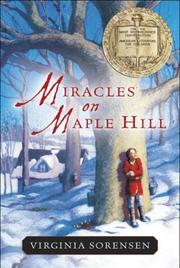
Sorensen’s achievements were recognized at the highest levels of children’s literature when her novel Miracles on Maple Hill won the Newbery Medal in 1957. The book exemplifies her strengths as a writer: it follows a family’s transformative year in rural Pennsylvania with a narrative that honors both the practical realities of rural living and the spiritual sustenance that nature provides. The title itself speaks to Sorensen’s literary vision—her conviction that profound meaning can be found in everyday moments, that miracles are not distant or impossible but woven into the fabric of attentive, purposeful living. Through this recognition and her broader body of work, Sorensen established herself as a writer who understood that stories for young readers need not be diminished in scope or sophistication, and that the most meaningful adventures often happen close to home.