Walter D. Edmonds
Walter D. Edmonds stands as a master chronicler of American frontier life, crafting narratives that capture the grit, ingenuity, and moral complexity of ordinary people in extraordinary times. Drawing heavily on the history of upstate New York and the Erie Canal era, Edmonds creates worlds that feel authentically lived-in, populated by characters who must navigate danger, hardship, and difficult choices with resourcefulness and integrity. His ability to weave historical detail into compelling human drama has made him one of the most enduring voices in American literature, with a particular gift for engaging young readers while never condescending to them.
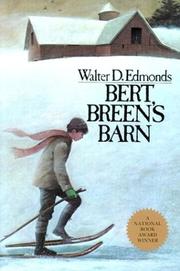
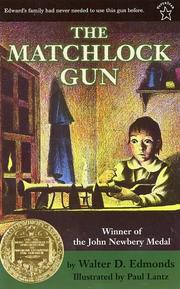
Edmonds’s dual recognition at the highest levels of literary achievement speaks to his remarkable consistency and range. His 1942 Newbery Medal for The Matchlock Gun honored his skill at rendering the perils of colonial frontier life through a child’s perspective, while his 1976 National Book Award for Young People’s Literature, awarded for Bert Breen’s Barn, demonstrated that his powers had only deepened with age. This cross-generational recognition across three decades underscores something rare in American letters: a writer equally respected by critics and beloved by readers of all ages, whose historical novels function as both compelling stories and windows into the American past. Edmonds has proved that children’s literature, when crafted with genuine artistry and respect for its audience, can achieve the highest artistic distinctions.