Walter Dean Myers
Walter Dean Myers stands as a towering figure in young adult literature, a writer whose unflinching portrayals of Black urban life transformed what stories teens could encounter on the page. Over a career spanning decades, Myers crafted narratives that refused easy sentimentality, instead delivering raw, complex characters grappling with identity, circumstance, and moral ambiguity. His distinctive voice—combining streetwise vernacular with literary sophistication—made him instantly recognizable and deeply influential, proving that YA literature could achieve artistic depth without sacrificing accessibility or authenticity.
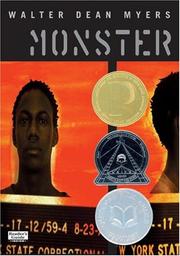
Myers’s award-winning novel Monster exemplifies his innovative approach to storytelling. The book, which won the prestigious Michael L. Printz Award in 2000, unfolds as a screenplay interspersed with journal entries, allowing readers into the fractured perspective of Steve Harmon, a sixteen-year-old accused of felony murder. Through this fragmented form, Myers explores questions of guilt, perception, and institutional injustice with the kind of formal daring that challenged the very boundaries of what young adult fiction could be. The novel’s recognition by the Printz Award—one of the most rigorous honors in the field—cemented Myers’s status not just as an important voice for young readers, but as a literary innovator whose work demanded serious critical attention.