Walter Jackson Bate
Walter Jackson Bate stands as one of the most significant literary biographers of the twentieth century, distinguished by his ability to merge rigorous scholarship with compelling narrative prose. His approach to biography transcends mere chronological recitation, instead seeking to illuminate the inner lives and creative minds of his subjects through meticulous research and empathetic imagination. Bate’s work exemplifies how a biographer can honor historical accuracy while crafting literature that reads with the immediacy and psychological depth of a novel.
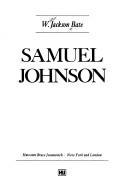
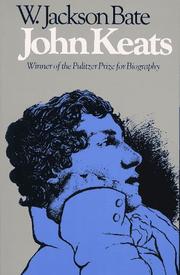
His major works have garnered recognition from the most prestigious institutions in American letters. John Keats, published in 1964, earned him the Pulitzer Prize for Biography, establishing Bate as a masterful interpreter of Romantic poetry and the poet’s tortured inner world. His monumental study of Samuel Johnson proved even more consequential—Samuel Johnson won both the National Book Critics Circle Award in 1977 and the Pulitzer Prize for Biography in 1978, a rare double honor that underscored its significance as both popular and critical achievement.
The constellation of Bate’s awards reflects his consistent excellence across decades and his particular gift for breathing life into complex historical figures. His biographical subjects were never mere historical artifacts but fully realized human beings grappling with artistic ambition, emotional vulnerability, and intellectual struggle. Through works that demanded extraordinary dedication to both primary sources and psychological insight, Bate elevated literary biography itself, proving that the genre could achieve the highest standards of both scholarship and literary art.