William Allen White
William Allen White stands as one of American journalism’s most influential voices, a small-town Kansas newspaper editor whose moral authority reached far beyond the Midwest. For nearly fifty years, he wielded his pen at the Emporia Gazette to champion progressive ideals, question political orthodoxy, and defend the dignity of ordinary Americans. His journalism combined sharp editorial commentary with genuine affection for the people and places he covered, creating a distinctly American style that valued clarity, conscience, and common sense over pretension or cynicism.
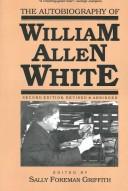
White’s literary legacy extends beyond his daily journalism into a body of books and essays that document the nation’s transformation across the early twentieth century. His keen eye for character and historical moment made him a natural autobiographer, and The Autobiography of William Allen White, published near the end of his life, became the capstone of a remarkable career. The work earned the Pulitzer Prize for Biography in 1947, recognition that validated what readers had long sensed: that White’s life story was inseparable from American political and social history itself. In crafting his memoir, he brought the same engaging narrative gifts and penetrating social observation that had made him essential reading in newsrooms and living rooms alike, creating a document that remains vital for understanding twentieth-century America through the eyes of one of its most principled observers.