William Faulkner
William Faulkner stands as one of American literature’s most transformative and challenging voices, a writer who fundamentally reshaped what fiction could accomplish through language itself. Working primarily in the Deep South, Faulkner developed a distinctive modernist style marked by stream-of-consciousness narration, fractured timelines, and a richly layered dialect that captures the complexity of Southern life across generations. His obsession with how the past haunts the present, the ways trauma echoes through families, and the moral reckoning demanded by history gave his work an emotional and philosophical weight that continues to influence writers today.
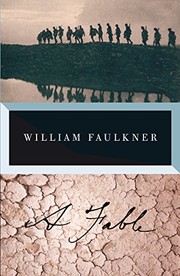
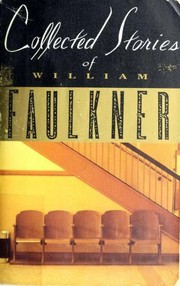
Faulkner’s major award recognition began with the 1951 National Book Award for his Collected Stories of William Faulkner, a collection that showcases the range and mastery he brought to shorter forms. But it was his novel A Fable that truly demonstrated his cross-award dominance in the 1950s, winning both the 1955 National Book Award and the 1955 Pulitzer Prize for Fiction—a rare double recognition that underscored the novel’s significance. Later in his career, The Reivers earned him a third Pulitzer Prize in 1963, cementing his status as one of the most decorated American authors of the twentieth century and proving that his innovations in form and consciousness remained vital and relevant even as his career spanned decades.