William H. Armstrong
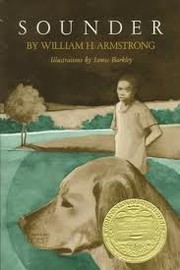
William H. Armstrong remains one of American literature’s most compelling voices for young readers, a writer whose deceptively simple narratives contain profound moral and emotional depth. His masterwork Sounder, which earned the Newbery Medal in 1970, stands as a testament to his ability to capture the dignity and resilience of those society often overlooks. The novel, centered on an African American sharecropping family and their beloved dog, transcends its modest setting to explore universal themes of love, loss, and the bonds that sustain us through hardship. Armstrong’s achievement with Sounder was not merely that he wrote a moving story for children, but that he created literature of genuine consequence—work that respects young readers’ capacity to grapple with difficult truths about injustice and suffering.
Throughout his career, Armstrong demonstrated an unflinching commitment to authenticity and emotional honesty. His sparse, lyrical prose style strips away sentimentality while deepening emotional resonance, a technique that allows readers to sit with the full weight of his characters’ experiences rather than be distanced from them. The Newbery Medal recognition for Sounder affirmed what Armstrong had long understood: that children’s literature could be a vehicle for serious examination of social issues and the human condition. His work continues to influence writers who believe that young readers deserve stories of substance, told with literary grace and moral clarity.