William H. Gass
William H. Gass stands as one of American literature’s most formidable intellectuals and stylists, a writer who has spent decades exploring the architecture of language itself. His essays are dense, philosophically ambitious works that treat the act of reading and writing as profound ethical and aesthetic endeavors. Gass moves fluidly between literary criticism, phenomenology, and metaphysical inquiry, always with the conviction that form and content are inseparable—that the shape of a sentence matters as much as the ideas it carries. His fiction, though less voluminous, demonstrates the same exacting craftsmanship, featuring baroque prose and narrators grappling with consciousness, memory, and the nature of meaning.
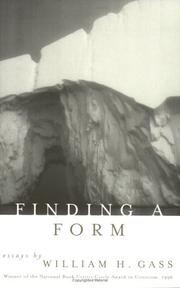
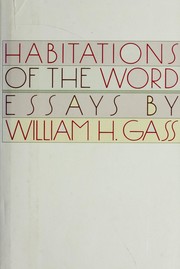
His critical achievement has earned him remarkable recognition from the National Book Critics Circle, which has awarded him the prize for Criticism three times: first for Habitations of the Word: Essays in 1985, then for Finding a Form in 1996, and again for Tests of Time in 2002. This trifecta of wins speaks to Gass’s sustained influence as a theorist of literature and language at the highest level. He refuses easy answers or accessible platitudes, instead demanding that readers meet him in the difficult, rewarding terrain where philosophy and aesthetics intersect. For those interested in what serious literary criticism can accomplish—how it can be both rigorously analytical and deeply humanistic—Gass’s body of work represents an indispensable standard.