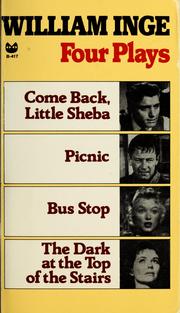
William Inge
William Inge stands as one of American drama’s most penetrating observers of small-town life and the quiet desperation that lurks beneath ordinary surfaces. His gift lay in finding profound emotional truth in seemingly mundane moments—a summer picnic, a conversation on a front porch, the unspoken longing between neighbors. Inge brought a playwright’s empathy to characters who might otherwise go unnoticed, crafting works that revealed how deeply personal anxieties and unfulfilled desires shape human connection. His influence extended far beyond the stage, as his plays were adapted into films that reached audiences across the country.
Inge’s masterwork, Picnic, earned him the Pulitzer Prize for Drama in 1953, a recognition that validated his distinctive approach to American theater. The play captures a Kansas community on the eve of Labor Day as a mysterious stranger arrives to disrupt the comfortable rhythms of everyday life. Through Picnic’s carefully observed interactions and emotionally resonant dialogue, Inge demonstrated that the most compelling drama didn’t require grand tragedy or exotic settings—it required only an unflinching look at what people actually feel. His Pulitzer win cemented his place among the significant American playwrights of the mid-twentieth century, even as his work continued to challenge and move audiences long after its initial production.