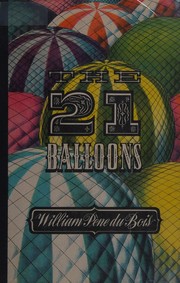
William Pène du Bois
William Pène du Bois stands as one of the most distinctive voices in twentieth-century children’s literature, a writer and illustrator whose work seamlessly blended imaginative storytelling with meticulous artistic vision. His 1948 Newbery Medal-winning novel, The Twenty-One Balloons, exemplified the qualities that made du Bois’s career so remarkable: an adventurous spirit, vivid world-building, and an almost architectural precision in how he constructed his narratives. The book’s enchanting premise—following a retired schoolteacher’s extraordinary journey across the world in hot-air balloons—captured the hearts of readers and judges alike, establishing du Bois as a major figure in children’s literature.
What set du Bois apart from his contemporaries was his refusal to condescend to young readers. His stories treated childhood curiosity and wonder as legitimate springboards for sophisticated exploration, whether examining themes of innovation, freedom, or the clash between tradition and progress. Beyond his literary achievements, du Bois’s dual mastery of both word and image—he illustrated many of his own books—created a unified artistic vision that elevated the picture book and illustrated novel forms. His influence extended far beyond individual award recognition, shaping how subsequent generations approached the craft of writing for children with both imagination and intellectual rigor.