William Styron
William Styron stands as one of the most ambitious and morally unflinching American novelists of the twentieth century, a writer who refused to shy away from his nation’s darkest historical moments. His career was defined by sweeping novels that grappled with guilt, complicity, and the weight of history itself—works that examined how ordinary people navigated extraordinary moral crises. Styron’s prose combined psychological depth with epic scope, creating narratives that felt both intimately personal and vastly consequential.
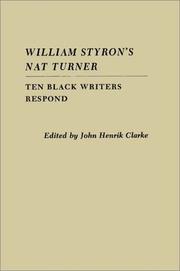
The publication of The Confessions of Nat Turner in 1967 cemented Styron’s position at the center of American letters and won him the Pulitzer Prize for Fiction in 1968. The novel reimagined the true story of the enslaved man who led a rebellion in Virginia in 1831, told through Nat’s own voice and consciousness. This controversial and celebrated work demonstrated Styron’s willingness to inhabit complex historical perspectives and to force readers to confront uncomfortable truths about American racism and violence. Though the novel sparked significant debate—some critics questioned whether a white author could authentically capture such a story—it became undeniable proof of Styron’s narrative power and his determination to use fiction as a tool for reckoning with history.