William Trevor
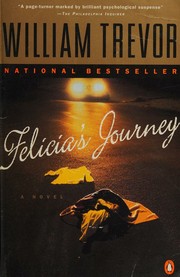
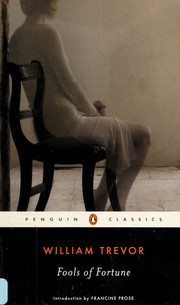
William Trevor stands as one of the most consistently acclaimed voices in contemporary British and Irish literature, a master of the short story and novel who has built his reputation on unflinching psychological insight and quiet moral complexity. His three Costa Book Award victories—for The Children of Dynmouth in 1976, Fools of Fortune in 1983, and Felicia’s Journey in 1994—mark him as a rare literary figure whose work has commanded recognition across decades, each win testifying to a writer working at the height of his powers well into maturity. What makes this cross-decade recognition particularly striking is that it reflects not nostalgia for past glory but rather a sustained ability to probe the darker corners of human nature with compassion and unflinching clarity.
Trevor’s fiction is characterized by a deceptive restraint; his prose moves with the precision of a surgeon, peeling back social facades to reveal the shame, loneliness, and small betrayals that haunt ordinary lives. Whether in novels or the short stories that many consider his truest medium, he gravitates toward characters on the margins—the disappointed, the self-deceiving, the quietly damaged. His settings, often rooted in Ireland and England, become almost mythic in their specificity, spaces where the weight of history, class, and individual failure converge. The arc of his award-winning novels demonstrates an artist who never settled for easy answers, instead deepening his exploration of how violence—psychological and literal—reverberates through families and communities, a theme that would come to haunt literature long after his own work first articulated it.