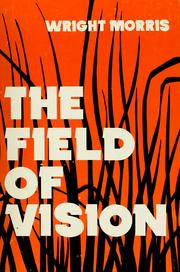
Wright Morris
Wright Morris stands as one of American literature’s most versatile and inventive voices, a writer equally accomplished as novelist, photographer, and critic whose work defied easy categorization. His 1957 National Book Award–winning novel The Field of Vision exemplifies his distinctive approach to fiction: a modernist sensibility applied to the American heartland, layering memory, perception, and narrative fragmentation to excavate the interior lives of ordinary people. Morris possessed an almost anthropological fascination with how Americans construct meaning from their everyday surroundings, and he brought a photographer’s eye to prose—literally, given his parallel practice as a visual artist—creating novels dense with precise, luminous details about people and places others might overlook.
Throughout his prolific career, Morris developed a signature style marked by structural experimentation and a wry, penetrating humor. He was drawn to the small epiphanies that crack open small-town life, to the gap between what people say and what they feel, to the way the past haunts the present. His recognition with the National Book Award validated what serious readers already knew: that Morris was a major figure in postwar American letters, a writer whose influence on subsequent generations of novelists interested in formal innovation and psychological depth would prove enduring and substantial.