Yann Martel
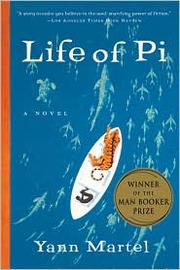
Yann Martel burst onto the literary scene with a novel that defied easy categorization—a philosophical adventure story wrapped in the improbable survival tale of a teenage boy and a Bengal tiger adrift in the Pacific Ocean. Life of Pi, published in 2001, captured readers’ imaginations worldwide with its blend of spiritual inquiry, scientific detail, and narrative audacity. The novel’s 2002 Booker Prize victory cemented Martel’s reputation as a writer capable of crafting stories that operate simultaneously as gripping page-turners and profound meditations on faith, storytelling, and what it means to endure.
What distinguishes Martel’s work is his willingness to tackle ambitious metaphysical questions through accessible, often fantastical premises. He writes with the precision of someone trained in philosophy and literature, yet his prose never sacrifices readability for intellectualism. His characters tend to be seekers—people grappling with meaning, identity, and their place in an often bewildering world. The international acclaim for Life of Pi brought Martel’s particular brand of imaginative realism to a global audience, making him one of the most widely read contemporary literary voices to emerge in the early 2000s.