Albert Camus
1957 Nobel Prize in Literature · Browse all books on Amazon ↗
Albert Camus stands as one of the twentieth century’s most influential moral philosophers, a writer who elevated the novel and essay into instruments of existential inquiry. His work grapples with humanity’s confrontation with an indifferent universe, exploring what meaning and dignity are possible in a world stripped of inherent purpose. Awarded the Nobel Prize in Literature in 1957 at just forty-three, Camus was recognized not merely as a novelist but as a vital voice articulating the anxieties and moral questions of the post-war era. His philosophical essays, particularly The Myth of Sisyphus, became touchstones for understanding absurdism—the recognition that human existence often encounters a fundamental collision between our desire for meaning and the universe’s silence.
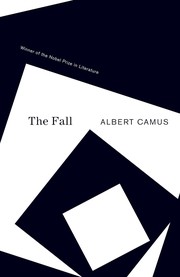
Camus’s prose style is deceptively spare and luminous, marked by clarity and directness that conceals profound philosophical complexity. His fiction consistently dramatizes ethical dilemmas and the tension between individual conscience and collective action. Whether through the detached narrator of The Stranger, the plague-stricken city of The Plague, or the bitter confessor of The Fall, Camus investigates how people respond when confronted with suffering, absurdity, and moral choice. His work traverses multiple genres—novels, philosophical essays, plays, and lyrical meditations like Nuptials—each exploring variations on themes of revolt, solidarity, and the pursuit of authentic living.
A writer of Mediterranean sensibility whose Algerian childhood profoundly shaped his sensibility, Camus occupies a distinctive position between existentialism and humanism. Though often grouped with Sartre, he charted his own intellectual course, insisting on the limits of ideology and the primacy of direct human experience. His legacy endures not because he solved philosophy’s great questions, but because he asked