Aleksandr Solzhenitsyn
1970 Nobel Prize in Literature · Browse all books on Amazon ↗
Aleksandr Solzhenitsyn stands as one of the twentieth century’s most consequential literary voices and moral witnesses. His unflinching documentation of Soviet totalitarianism, grounded in his own eight-year imprisonment in the Gulag, established him as an uncompromising truth-teller at a time when such honesty carried grave personal risk. His 1970 Nobel Prize recognized not merely literary excellence but the courage of an artist who used fiction and testimony as weapons against state oppression. Solzhenitsyn’s international prominence grew steadily through the 1960s and beyond, making him perhaps the most visible challenger to the Soviet system from within its own cultural sphere.
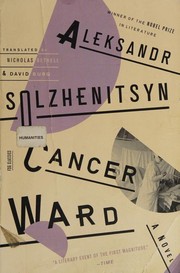
His literary approach is characterized by meticulous realism and moral urgency. Works like One Day in the Life of Ivan Denisovich and Cancer Ward strip away sentimentality to reveal the spiritual and physical degradation of Soviet citizens under the system’s machinery. The Gulag Archipelago, his monumental non-fiction chronicle of the Soviet prison system, transcended conventional memoir to become a historical indictment of staggering scope. Even his more ambitious historical novels, including August 1914 and The Red Wheel, are driven by his conviction that literature must excavate truth from the wreckage of official narratives. Solzhenitsyn’s recurring concern with individual conscience under pressure, with suffering as a path to moral clarity, and with the spiritual bankruptcy of ideological systems gives his work a prophetic quality.
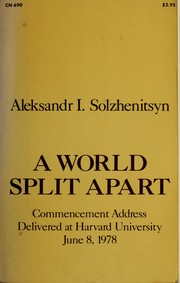
Solzhenitsyn represents a towering figure in the tradition of the Russian writer as moral authority—a lineage extending from Dostoevsky and Tolstoy. His insistence that art cannot remain neutral in the face of systemic evil, articulated powerfully in essays like