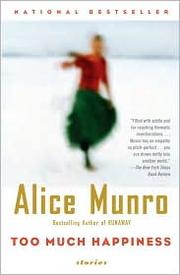
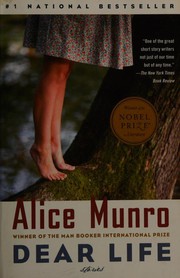
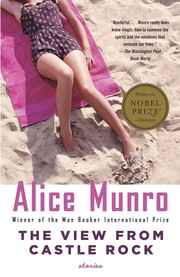
Alice Munro
2013 Nobel Prize in Literature · Browse all books on Amazon ↗
Alice Munro stands as one of the most celebrated short story writers of the twentieth and twenty-first centuries, a reputation solidified when she became the first Canadian woman to win the Nobel Prize in Literature in 2013. The Swedish Academy honored her as a master of the contemporary short story, and her influence on the form has been profound and lasting. Her work has fundamentally shaped how readers and writers understand the possibilities of short fiction, proving that the form could achieve the psychological depth and emotional resonance traditionally associated with novels.
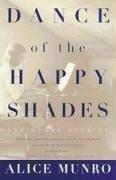
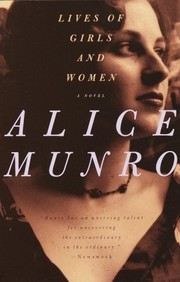
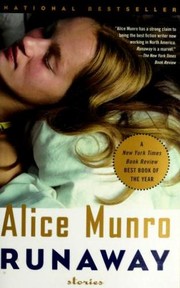
Munro’s distinctive style combines deceptively simple language with complex narrative structures that often shift perspective, time, and meaning in surprising ways. Her stories, primarily set in rural Ontario, excavate the interior lives of ordinary people—often women—with remarkable subtlety and compassion. She has spent decades exploring how people rationalize their choices, how memory distorts truth, and how the most profound transformations can occur in the quiet spaces between major life events. Her collections, from Dance of the Happy Shades and Lives of Girls and Women through her later works like Runaway and Dear Life, demonstrate an unwavering commitment to examining the gap between what people know about themselves and who they actually are.
Within the broader landscape of world literature, Munro represents a distinctly North American, and particularly Canadian, voice that has achieved international significance. Her influence extends far beyond her home country, inspiring writers globally and reshaping critical conversations about the short story’s capacity for formal innovation and emotional intelligence. She belongs alongside the great modernist and postmodern storytellers, yet her work remains grounded in a kind of realistic humanism that feels entirely her own.