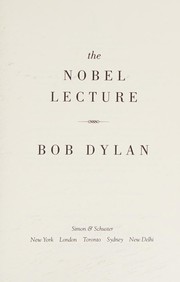
Bob Dylan
2016 Nobel Prize in Literature · Browse all books on Amazon ↗
Bob Dylan stands as one of the most influential artists of the twentieth and twenty-first centuries, fundamentally reshaping the relationship between popular music and literary expression. When the Swedish Academy awarded him the Nobel Prize in Literature in 2016, it confirmed what readers and listeners had long understood: that his songwriting constitutes a major body of literary work. Dylan’s acceptance of this honor—the first musician to receive the prize in its 115-year history—sparked both celebration and debate, yet it reflected the undeniable impact of his verse on world culture and the power of his poetic vision.
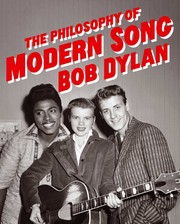
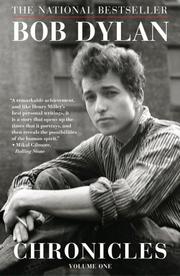
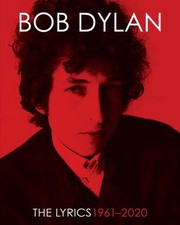
Dylan’s distinctive style merges American vernacular speech with complex literary allusion, blending folk traditions with modernist technique. His recurring themes explore social justice, love, loss, mortality, and the search for meaning in a turbulent world. From his early protest songs through his later explorations of American history and philosophy, Dylan has consistently demonstrated that songwriting could achieve the emotional and intellectual complexity of canonical literature. His works—including his prose collections Chronicles: Volume One and The Philosophy of Modern Song, as well as his comprehensive Lyrics: 1961-2020—reveal an artist deeply engaged with language itself as a primary medium.
Dylan’s place in world literature extends beyond his musical legacy; he represents a democratization of what counts as serious literary expression. He proved that the boundaries between “high” and “popular” art were far more permeable than literary institutions had previously acknowledged, opening pathways for popular musicians and songwriters to claim recognition as major literary figures. His Nobel Lecture stands as a meditation on literature’s enduring power to illuminate the human condition.