Boris Pasternak
1958 Nobel Prize in Literature · Browse all books on Amazon ↗
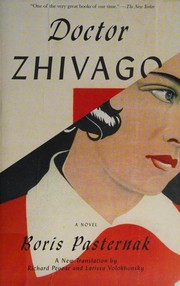
Boris Pasternak stands as one of the twentieth century’s most significant literary voices, a Russian modernist whose work transcended national boundaries to speak to universal human experiences. His 1958 Nobel Prize in Literature recognized not only the achievement of Doctor Zhivago, his sweeping novel of love and survival during the Russian Revolution, but also decades of luminous poetry and prose that fundamentally shaped modern literature. Despite—and perhaps because of—the political controversy surrounding his most famous work, Pasternak secured his place as a writer of uncompromising artistic integrity who refused to subordinate his vision to ideological demands.
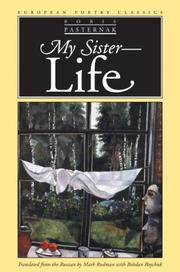
Pasternak’s distinctive voice emerges from a unique fusion of lyrical intensity and philosophical depth. His poetry collections like My Sister, Life and Themes and Variations are marked by vivid sensory imagery, unexpected metaphors, and an almost musical attention to language’s texture and possibility. In his prose works, including the autobiographical Safe Conduct and the haunting novella The Childhood of Luvers, he demonstrated an equal mastery of introspection and narrative craft. Across genres, Pasternak consistently explores how individual consciousness grapples with historical forces, love, mortality, and the redemptive power of beauty and artistic creation.
His legacy extends far beyond Russian letters into world literature at large. Pasternak’s refusal to accept the Nobel Prize under Soviet pressure, followed by his courageous defense of Doctor Zhivago’s spiritual and humanistic values against state censorship, made him an enduring symbol of the artist’s freedom. His work continues to resonate with readers seeking literature that honors both the complexity of the human heart and the dignity of the human spirit.