Claude Simon
1985 Nobel Prize in Literature · Browse all books on Amazon ↗
Claude Simon stands as one of the most innovative and influential figures of twentieth-century French literature, earning the Nobel Prize in Literature in 1985 for his groundbreaking contributions to the modern novel. A key architect of the French New Novel movement (le nouveau roman), Simon fundamentally challenged conventional narrative structures and reimagined what fiction could accomplish. His work emerged during a period of radical experimentation in French letters, yet his particular genius lay in combining formal innovation with deeply personal, often autobiographical material—creating something entirely his own within the avant-garde landscape.
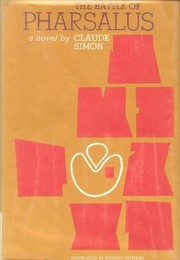
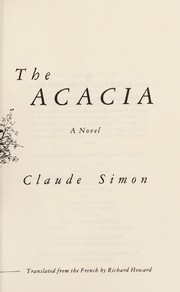
Simon’s distinctive style is characterized by fragmented narratives, layered temporal sequences, and an almost painterly attention to sensory detail and visual composition. Works like The Flanders Road and The Battle of Pharsalus dissolve linear storytelling into a complex web of memories, perceptions, and linguistic patterns that mirror how human consciousness actually operates. His prose often follows the movements of his characters’ minds rather than the conventions of plot, creating dense, intricately constructed novels that demand active engagement from readers. Recurring themes of memory, loss, family history, and the relationship between language and lived experience permeate his writing, particularly evident in his later works like The Acacia, which traces generational narratives with obsessive, archaeological precision.
In world literature, Simon represents a crucial bridge between high modernism and contemporary fiction, proving that radical formal experimentation need not sacrifice emotional resonance or intellectual depth. His influence extends far beyond French letters, shaping how international writers approach narrative structure and the representation of consciousness.