Czesław Miłosz
1980 Nobel Prize in Literature · Browse all books on Amazon ↗
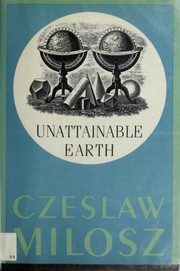
Czesław Miłosz stands as one of the twentieth century’s most morally urgent voices, a poet and essayist who bore witness to the century’s greatest catastrophes and wrestled with their philosophical implications. A native of Lithuania who spent much of his life in Poland, France, and the United States, Miłosz achieved international prominence through works like The Captive Mind, his searing analysis of how intellectuals rationalized Communist ideology, and his poetry collections including Bells in Winter and Unattainable Earth. His 1980 Nobel Prize recognized not merely his literary craftsmanship but his unflinching commitment to truth in an age of totalitarianism and propaganda.
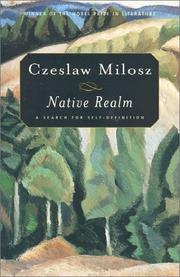
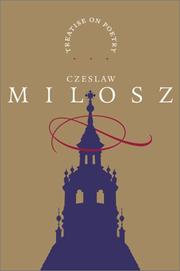
What distinguishes Miłosz’s work is its philosophical depth combined with a hard-won clarity of vision. He was a poet of consciousness itself—examining how memory, faith, doubt, and the burden of historical knowledge shape the self. His recurring themes circle around the tension between earthly beauty and human suffering, between skepticism and spiritual yearning, between the individual conscience and the machinery of power. Works like Native Realm and Roadside Dog blend autobiography, meditation, and moral inquiry in ways that defy easy categorization, while Treatise on Poetry represents his most ambitious attempt to capture the possibilities and limits of the poetic imagination.
In the landscape of world literature, Miłosz represents the Central European intellectual tradition at its finest—a writer shaped by displacement, multilingualism, and the collision of Eastern and Western thought. His influence extends across languages and borders, making him essential reading for anyone seeking to understand how art survives and speaks truth under conditions of extreme historical pressure.